
SOCIAL CHANGE
- Is only a scheme of an organization with a common interest.
- To offer a facility for each dissemination of information, a platform for volunteers and to the leader of an organization.
- The group should be devise a careful and a specific plan that will be going to address the objective and goal of the project.
WHAT SHOULD BE INCLUDED IN THE PLAN?
- Define key individuals and point persons in different categories in the project.
- Summarize the general goals and direction of the organization and layout the vision that the group should fulfill.
- Have a summary of the existing ICT facility.
- List the concerns and issues on the current situation of the organization that can be remedied by the upcoming projects.
- Include the capability of the plan to be useful in the near future.
- Classify the type of ICT service that the group will develop.
- Determine the resources needed before starting the project.
- Include the training and support needed by the development team in the plan.
- Prepare procument documents and lists.
- Consider the proposed budget and Gantt chart.
- Prepare a summary of all initiatives.
- Prepare a summary of activity schedules and budget.
- Identify the risks associated with the activities that can be done.
- Have a general integration plan.
Demographics
is described as factual information that is gathered from users of the ICT application.
Psychographicsis
described as noncountable information from people such as interest, opinions, and insights.
DESIGNING AND COPYWRITING FOR ICT PROJECTS
- Split paragraphs into shorter and fewer sentences.
- Split complex sentences into simpler ones.
- Highlight key words.
- Use subheadings to identify sections of the application or web site.
ICT FOR SOCIAL CHANGE
-
SAY NO TO DRUGS
– People have many reasons for using drugs, and your teenager may be considering some of them. They also may have misconceptions about how many people are using drugs. Talking to them about why they can choose to say no is one of the best ways you can help them.

- INSTITUTIONALIZING THE BARKADA KONTRA DROGA
PROGRAM
= The Barkada Kontra Droga (BKD) shall enjoin all sectors of the society (the youth and studentry, families, workforces, professional, labor and service provider groups, government agencies and offices (GO and LGU), non-government agencies/organizations, civic as well as religious sectors, and the entire community) to be part of special groups known as “barkadas” that advocate and serve as models to young people to live their lives in a productive and healthy way away from the evil effects of drugs.

- NATIONAL YOUTH CONGRESS ON DRUG ABUSE PREVENTION AND CONTROL
– to meet new friends and foster camaraderie among them.
-This annual three-day live in Congress is designed to provide an open and comfortable atmosphere for fun, real work and innovative strategic planning to address the drug problem in the respective localities of the youth participants. A team of anti-drug advocates and facilitators provide participants the opportunity for positive discussions/dialogues, structured learning activities, workshops, and inputs. The team approach is employed throughout the congress to foster teamwork, learning, camaraderie and harmonious relationship of youth delegates.

- DRUG ABUSE RESISTANCE EDUCATION (DARE) PROGRAM
– how to deal with problems without resorting to drug abuse.
– The Drug Abuse Resistance Education Program (DARE) is being enhanced to complement the implementation of NDEP. DARE offers a variety of activity-oriented techniques which are designed to encourage student-generated responses to problem-solving situations, specifically on drug abuse.


- KIDS AGAINST DRUG PROGRAM
– To bring the anti-drug advocacy to the children, the DDB participates in the annual celebration of the Children’s Month every October. The DDB conducts the Kids Against Drugs program, a primary prevention activity that aims to inculcate the skills of “Saying ‘No’” to children as a firm foundation for preventive education.
– is part of a statewide program of municipal alliances that are aimed at the prevention of alcohol and drug abuse. We do this by supporting activities and programs in the City and Township of Bordentown geared towards keeping our youth healthy and safe.

-
National Drug Education Program (NDEP)
– This program which is currently implemented in elementary and secondary schools, in cooperation with DDB-member agency DepEd, entails five components – curriculum and instruction, co-curricular and ancillary services, teacher and staff development, parent education and community outreach, and research, evaluation and monitoring – which is comprehensive in nature and provides a holistic approach to the problem of drug abuse.
- DRUG ABUSE PREVENTION PROGRAM FOR THE TRANSPORT GROUPS
– safety of commuters and motorists regarding drug abuse and public transport.
– This is a primary prevention activity involving the public transport groups designed to ensure the safety, well-being of the commuters and pedestrians by having drug-free transport personnel. Cooperating agencies are the DDB, DOLE, DOH, PDEA, LTFRB, LTO, and the Philippine Global Road Safety. It seeks to reduce the incidence of drug related vehicular accidents, promote public order and safety on the streets; and organize anti-drug patrol among drivers and other transport personnel.

- NATIONWIDE CARAVAN OF YOUTH AGAINST DRUGS
– This new advocacy program, done in partnership with DDB-member agency National Youth Commission aims to intensify youth empowerment efforts to zero-in on drug abuse. Project coverage includes six (6) key cities of the country namely: Metro Manila, Davao, Cebu, Zamboanga, Naga, Cagayan De Oro, and Baguio City.
The caravan has enjoined at least 1,400 youth from various communities, organizations and academic institutions into the anti-drug abuse advocacy. It also aims to impart the ill-effects of substance abuse and dependence and to highlight best practices of youth groups and networks in the intensified campaigns and initiatives in combating drug dependence.
2. UNITED NATIONS OFFICE ON DRUGS AND CRIME (UNODC)
– to the issues brought upon by drug trafficking and drug abuse

- WORLD DRUG CAMPAIGN

- INTERNATIONAL ANTI-CORRUPTION CAMPAIGN
Corruption is a global plague and Governments, the private sector, non-governmental organizations, the media and citizens around the world are joining forces to fight this crime. The United Nations Development Programme (UNDP) and the United Nations Office on Drugs and Crime (UNODC) are at the forefront of these efforts.


- BLUE HEART CAMPAIGN AGAINST HUMAN TRAFFICKING
– Is a global awareness raising initiative to fight human trafficking and its impact on society.
It seeks to encourage involvement from governments, civil society, the corporate sector and individuals alike, to inspire action and help prevent this heinous crime.
The Blue Heart is increasingly recognized as the international symbol against human trafficking, representing the sadness of those who are trafficked while reminding us of the cold-heartedness of those who buy and sell fellow human beings.
The campaign allows people to show their solidarity with the victims of human trafficking and increasing their visibility by wearing the Blue Heart.
Donations to the Blue Heart Campaign go to the United Nations Voluntary Trust Fund for Victims of Trafficking in Persons, which provides vital assistance and protection to the victims of trafficking through specialized organizations across the globe.


3. NATIONAL CITIZEN’S MOVEMENT FOR FREE ELECTIONS
– to ensure peaceful and thruthful elections.
– National Citizens‘ Movement for Free Elections. It is better to light a candle than to curse the darkness. The National Citizens‘ Movement for Free Elections or NAMFREL is an election watchdog in the Philippines. It was the first and one of the most famous election watch campaign.

4. PHILIPPINE ANIMAL WELFARE SOCIETY
– protecting the welfare of animals.
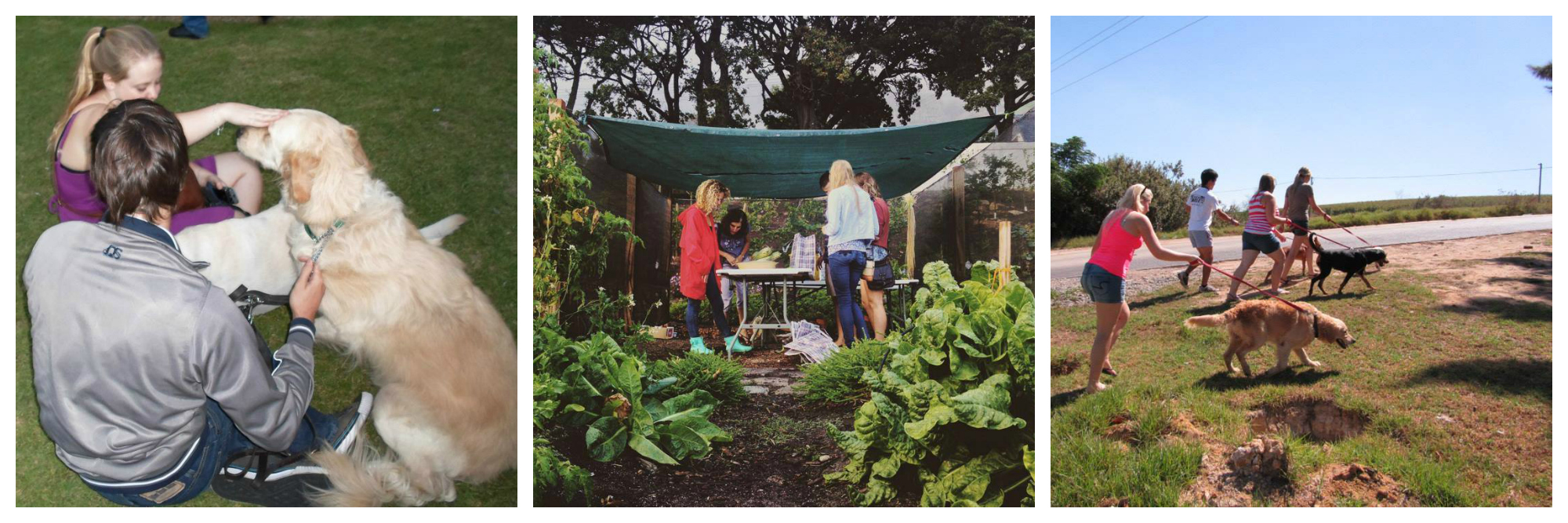
– Philippine Animal Welfare Society. The Philippine Animal Welfare Society (PAWS) is a volunteer-based, non-government organization whose goal is to prevent animal cruelty through education, animal sheltering and advocacy.



 Final Exam